
Skip to content

WAREHOUSES & LOGISTICS

Connect the movement behind your operation.

Support selected applications across warehouse floors, loading areas and yards. Velocity Edge Fusion helps align connectivity, compatible devices, security and managed operations with the routes your people and equipment follow.

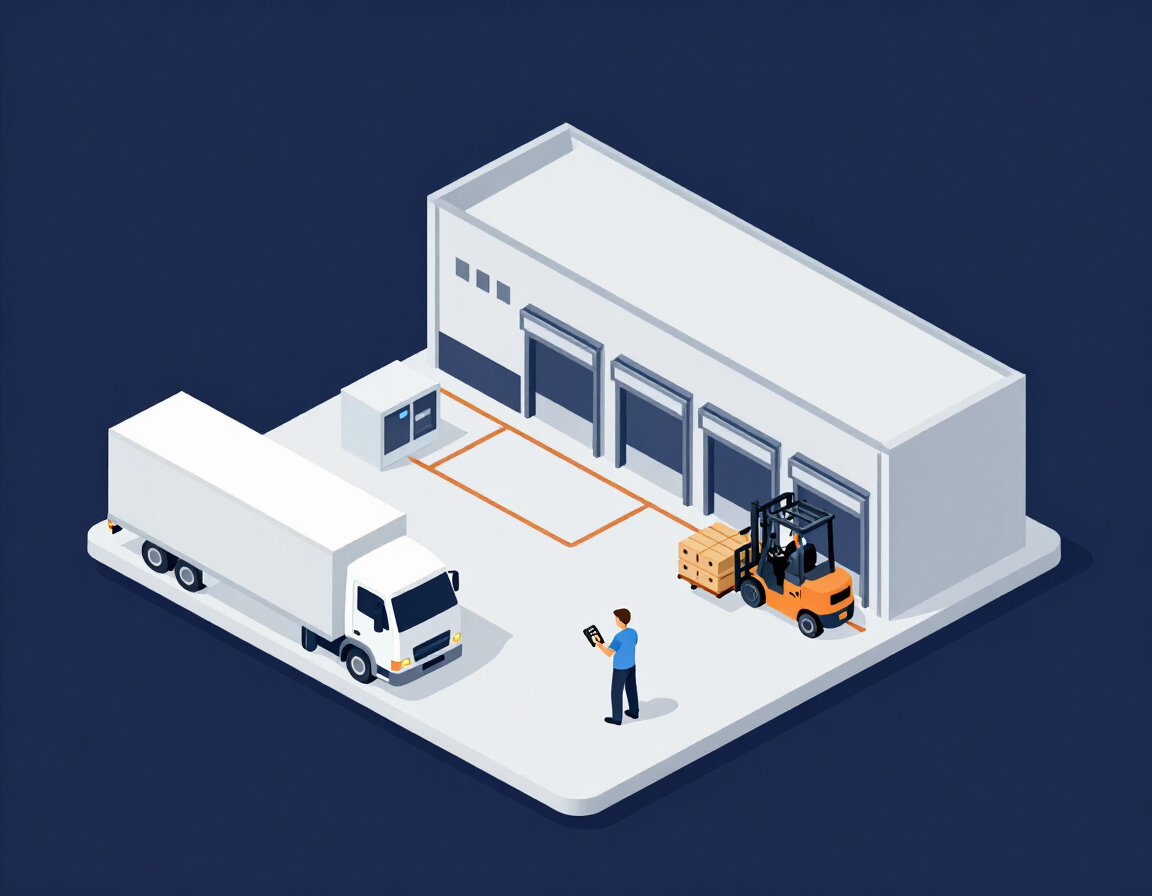
Conceptual illustration of a warehouse, loading yard, forklift and worker handheld connected to a local edge cabinet.

Applications

Connectivity designed around the operating route.

  • Scanners and handhelds

    Assess connectivity for approved picking, receiving and inventory devices.

  • Worker tablets

    Support access to selected instructions, reporting and coordination tools.

  • Yards and loading areas

    Qualify outdoor locations, obstructions, mounting and movement patterns.

  • Connected equipment

    Evaluate compatible gateways and application requirements for selected mobile equipment.

  • Operational monitoring

    Connect eligible sensors or cameras within a defined application, bandwidth and support design.

Tracking, warehouse management, telematics and video analytics require their own compatible applications and integrations.

Warehouses and logistics

Warehouses & Logistics

Challenge

A connected building is not always a connected workflow.

Warehouse and yard applications depend on movement between locations, devices and systems. Coverage gaps, compatibility issues and fragmented support can interrupt work or make the source of a problem difficult to identify.

Velocity Edge Fusion

Solution

Test the route, device and application together.

Velocity Edge Fusion can assess the operating environment, approved devices and application dependencies. The design evaluates appropriate wireless and wired options, security boundaries and recovery behavior, then establishes acceptance tests and ongoing responsibilities.

Business outcomes & impact

  • Support operational movement

    Address connectivity issues along approved routes.

    Measure: Route-test completion and connectivity-related interruptions.

  • Improve device visibility

    Associate managed connections with equipment and ownership.

    Measure: Inventory completeness and connectivity-health coverage.

  • Simplify troubleshooting

    Establish a documented escalation path across providers.

    Measure: Incident handoffs and recurring issue trends.

Illustrative approach. Design, availability, responsibilities and performance objectives are confirmed during assessment.

Discuss Your Logistics Project

Solutions

Combine the capabilities your facility needs.

Validation

Validate before wider rollout.

  • Indoor and outdoor operating areas.
  • Approved devices, antennas and gateways.
  • Racking, structures and changing obstructions.
  • Actual mobility paths.
  • Application dependencies and performance criteria.
  • Power, installation access and maintenance.
  • Provider, WMS, OEM and customer responsibilities.
  • Recovery behavior, documentation and handover.

The network does not control vehicle safety or prevent collisions, and no picking-rate, throughput or labor savings are promised.

Managed responsibility

Keep the operating model connected too.

Define what is monitored, who coordinates service issues, how changes are approved and which party supports the warehouse application or equipment. Review performance against an agreed baseline rather than assuming a new connection automatically improves throughput.

Explore Managed Services

FAQ

Questions about warehouse and logistics connectivity.

Can one design cover the warehouse and yard?

The assessment determines whether one approach or a combination is appropriate. Complete coverage is not assumed before qualification.

Does this replace Wi-Fi?

Not automatically. Device and application fit determine the design.

Do you provide the warehouse-management application?

Application provision and integration must be explicitly scoped; it is not assumed to be part of connectivity.

Can tracking applications be connected?

Compatible identification, positioning and application components must be evaluated separately from basic connectivity.

Start with the route that needs to work better.

Tell us which devices, areas and applications create the most friction. We will help define an assessment and an appropriate next step.

Discuss Your Logistics Project